
Cape Town after the storms: Why emergency money is emotional before it’s financial
Cape Town’s storm week left many residents with flooded homes, damaged belongings and sudden financial stress. Emergency money becomes emotional very quickly when stability disappears overnight.
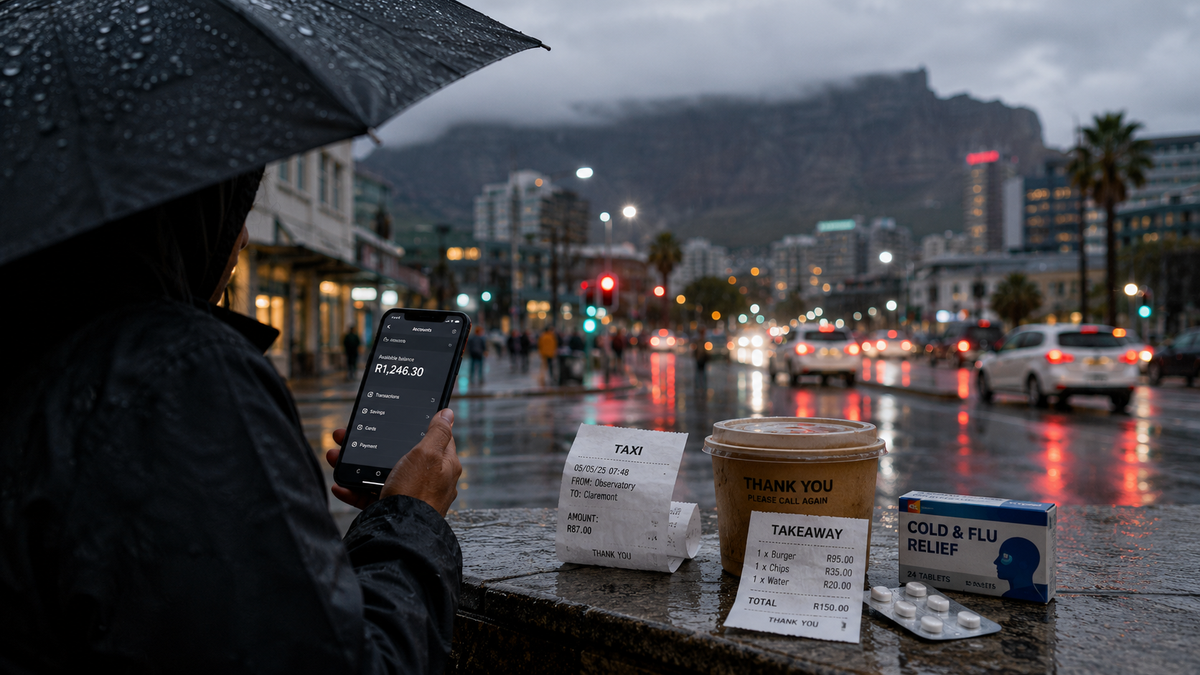
CAPE TOWN, Western Cape - Cape Town is halfway through a week of flood alerts, soaked shoes, roof leaks, and family WhatsApps with the emotional range of a hostage note. A mini emergency fund stops looking like one of those “healthy financial habits” people post online and starts looking like the only thing standing between you and a panic swipe at 22:30.
A proper 15-minute money audit also earns its place after weather chaos (and before the next load) because the card swipes don't arrive as one neat bill. Instead, they pop up as taxis, extra data, vet help, takeaways when the stove plan died, laundry, meds, and one small hardware-store mission that somehow cost R480.
Cape Town winter has expensive hobbies
Heavy rain and flooding affected thousands of residents across Cape Town this week after severe weather damaged homes, roads, and infrastructure in several areas. Informal settlements were among the hardest hit.
Nobody budgets for a week where your takkies smell haunted, your route home changes twice, and somebody in the family suddenly needs help with groceries or repairs. Money stress also doesn’t wait politely for payday. One bad weather week can turn a “manageable” month into survival maths.
Emergency money isn’t only about savings, but about knowing one bad week won’t force you into panic swipes, borrowed cash and arguments with your banking app at midnight.
The storm bill never arrives all at once
Most people don’t open their banking app during a crisis and calmly analyse spending patterns. You open it like somebody checking exam results they already regret.
The sneaky costs accumulate quickly:
- Extra transport after flooded roads wreck your usual route
- Laundry, because nothing dries properly
- More takeaway meals because cooking plans died early
- Data top-ups after Wi-Fi issues
- Small pharmacy runs for colds, flu, and stress headaches
- Emergency hardware store missions that somehow end above R400
None of those costs looks catastrophic on its own, but together, they can wreck your budget.
Cape Town winter doesn’t ask whether your budget can cope first; it kicks the door open, floods your plans, and leaves you arguing with your banking app in drenched socks.
Nobody needs a six-month survival bunker
The internet loves emergency fund advice that sounds like you need the financial reserves of a small European country before you qualify as responsible. Most Cape Town millennials don’t need perfection right now. They need enough cash to stop one rough week from turning into debt.
Try building one “storm week” buffer instead:
- R300 for transport chaos
- R500 for food and data
- R1,000 for emergency repairs or family support
- R2,000 if pets, kids, or medical costs enter the chat regularly
Small buffers matter because a few hundred rand can stop panic spending before it starts snowballing.
What helps before the next weather alert
Cape Town winter isn’t done with us because the clouds disappeared for six minutes on Wednesday afternoon. Thus, do the boring admin before life gets all chaotic again:
- Switch on low-balance banking alerts
- Save emergency contacts offline
- Move emergency cash into a separate savings pocket
- Photograph receipts after repairs
- Check what your insurance excess looks like
- Ask your landlord who handles storm-related damage
- Set one automatic transfer on payday, even if it’s small
While a savings buffer won't stop a roof leak, it can stop you from solving every problem with debt and blind optimism.
The emotional part nobody talks about
Storm weeks expose how thin the gap can be between “I’m fine” and “I need help”. Shame also sneaks into money conversations very quickly, especially online, where everybody suddenly looks financially perfect with their colour-coded savings accounts and smug grocery spreadsheets. Most people aren’t irresponsible. Cape Town is expensive, unpredictable, and one cold front away from financial nonsense at any given moment.
Emergency money isn’t glamorous. Nobody brags about the R700 that saved their week after a flooded taxi route and a broken geyser. Still, that small buffer can buy something more useful than status.



Comments ()